
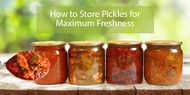
How to Store Pickles for Maximum Freshness
Posted by Suryamasale on 29th Mar 2024
For countless years, pickles have graced tables across the globe, intertwining with meals in diverse cultures. Each nation boasts signature pickle variations, like Korea's mouth-watering Kimchi or India's tangy Aam Ka Achaar or flavourful Ginger pickle. Initially, a means of food preservation, pickling has evolved into an indispensable culinary tradition.
In India, a wholesome 'thali' is only deemed complete with an Indian pickle. Yet, did you wonder about the pickles' early lineage dating back over 3000 years? Historians trace their origins to the Tigris Valley, where Indian cucumbers took centre stage. The term 'pickle' roots are in the Dutch word 'pekel,' denoting brine. Brine is an elemental potion in the art of pickling.
Our affection for pickles across India is the same irrespective of our origins or beliefs. Crafting Indian pickles are scientific and artistic, a craft that extends to their preservation. Mastering vital techniques is the key to safely storing pickles over extended durations. Delve into a comprehensive guide on this essential knowledge.
Why Proper Pickle Storage Matters?
By storing pickles correctly, you can keep them fresh, crunchy, and safe to eat. Storing pickles in sealed glass or ceramic jars protects them from moisture and heat, keeping the spice and flavour intact for longer compared to pickles stored in other types of containers or environments.
Using proper storage practices also reduces the risk of mold, fermentation, spoilage, and other problems that can occur when pickles are exposed to air, humidity, and high-temperature environments.
How Long Do Pickles Last?
- If your pickle jar is unopened and shelf-stable, you can expect the pickle to last 1-2 years when stored in a cool, dry place.
- Once you’ve opened the jar, the pickle will retain its freshness for about 1-3 months, provided it is properly sealed and refrigerated.
- Quick-pickled and homemade pickles (especially when not processed by heat) typically have a shorter shelf life of several weeks to a few months after being made.
Common Mistakes to Avoid While Storing Pickles
- When storing pickles, avoid using plastic or metal containers because plastic can leach flavors and odors into the pickles. On the other hand, metal containers will react with the acidic brine, corroding and altering the taste, and making the pickles unsafe to eat.
- Avoid using damp spoons, as moisture on them may lead to mold growth or spoilage. Therefore, use only clean, dry spoons.
- Do not leave a gap in the jar, as it allows air to come into contact with the pickles, leading to oxidation, spoilage, and flavor deterioration. To prevent this, fill your jar as much as possible or submerge the pickles in oil/brine.
- Finally, pickles tend to spoil more quickly if stored in warm, humid, or sunny conditions. Instead, store your pickles in a cool, dry, and dark place.
Do Pickles Need Refrigeration?
It is not necessary to refrigerate pickles all the time. If you have unopened, properly sealed jars of commercially processed pickles, they can remain shelf-stable at room temperature (in a cool, dry place). Once you’ve opened your pickle jar (particularly quick/homemade pickles), make sure you refrigerate properly to maintain flavor, texture, and prevent spoilage.
Step-by-Step Guide: How to Store Pickles Correctly
Unlike many global counterparts, Indian pickles, referred to as "achaar," are distinctive due to their fermentation process, conferring prolonged freshness. The tempered whole spices, as opposed to raw ones, further enhance their endurance. Notably, Indian pickles employ stable oils like mustard and sesame, which resist spoilage better than delicate oils like olive oil. These practices bestow high shelf lives on Indian Pickles. Thus, it underscores its unique place in the world of culinary preservation.
Pickle making encompasses more than just ingredients; it embodies an ancient Indian ritual refined by our grandmothers over time. This practice guarantees the longevity of pickles for a year or even longer. The processes of pickle-making involve specific periods during the year to prepare it under clean and original conditions. From selecting the perfect jar to calculating the ideal duration of sunlight exposure, each stage of pickle-making underscores its artistic and precise scientific nature. Hence, with proper storage, the likelihood of Indian pickles spoiling remains minimal.
1. Choose a Wide-Mouthed Glass or Ceramic Jar:
When choosing a pickle jar, ensure the container features a wide mouth. For the best preservation, you should opt for a pickle jar made of glass or ceramic. It also helps to keep the flavour intact. If you select the pickle jar, it will help you to maintain the quality and longevity of the pickles. The pickle taste and texture will remain intact for a long time.
2. Always Use a Non-Metallic Lid:
Verify that the lid for your chosen jar is not metal. Metal lids rust and erode, which can significantly affect the longevity and flavour of the pickles. Additionally, opting for non-metallic lids reduces the potential for food contamination and the associated risk of foodborne illnesses. This simple precaution ensures the safety and quality of your homemade pickles.
3. Ensure the Jar Is Completely Dry:
You should clean and completely dry the pickle jar before transferring any pickles into it. This essential step ensures that the pickles' flavours remain unadulterated and free from unwanted moisture. The correct environment helps in preserving the pickles' quality and taste.
4. Fill the Jar to the Brim:
When placing the pickles, ensure the jar is filled to the brim, leaving no space. Such vacant areas can subject the contents to prolonged contact with oxygen and moisture, spoiling the pickle's quality and taste. By diligently avoiding these gaps, you're enhancing the pickles’ preservation and preserving their delightful flavours for an extended period.
5. Store in a Cool, Dry Place:
Opt for a storage spot that's cool and dry to house your pickle jars. You should dedicate a shelf solely to pickles, devoid of items that could introduce contamination risks. These pickles preserving measures helps to maintain its integrity, preventing unwanted flavours or spoilage. If you can create an environment free from potential contaminants, you enhance their exceptional taste and quality throughout their storage period.
6. Use a Wooden Spoon for Serving:
Opt for a clean and dry wooden spoon whenever you extract pickles. Avoid using a metal spoon so that it doesn’t compromise the pickles' quality and flavour. This small yet significant step helps in preserving pickles as delicious and untainted.
Different Types of Popular Indian Pickles
- Ginger Pickle: Buy Surya Ginger Pickle is a flavourful condiment. Made from tender ginger pieces, spices, and tangy ingredients, it offers a delightful balance of heat and tanginess. Its versatile taste complements a variety of dishes, adding a unique twist to meals. It is a perfect blend of spiciness and tang in every bite. You can Order Indian Ginger pickles from the online store or our official website.
- Green Chilli Pickle: Green chilli pickle is a fiery and tangy condiment that bursts the taste buds. Green chilli pickle comprises fresh green chillies, spices, and sharp flavour elements. It delivers a punch of heat and flavour. A staple in many cuisines, this pickle adds a spicy kick to meals, enhancing their overall taste.
- Garlic pickle is a savoury delight that captures the essence of garlic's bold flavour. Crafted by infusing garlic cloves with aromatic spices and tangy components, this pickle offers a pungent taste. A popular accompaniment, this pickle elevates dishes with its distinct garlicky goodness. Its robust and aromatic profile makes it a flavorful addition to various culinary creations, enriching every bite with its unique character.
- The stuffed red chilli pickle is a fiery masterpiece that marries the intensity of red chillies with flavorful stuffing. Prepared by carefully deseeding and filling the chillies with a mixture of spices, herbs, and other ingredients, this pickle offers a dynamic combination of heat and savoury goodness. A culinary adventure for spice enthusiasts, it brings a variety of flavours to the palate, creating a harmonious blend of spiciness and complexity in every bite.
- Lime pickle is a tangy delight that captures the zesty essence of fresh limes. Crafted by marinating lime wedges with a medley of spices, herbs, and seasonings, it offers a vibrant burst of flavour. This pickle adds a tangy punchto various dishes, enhancing their taste profile. Its zingy taste makes it a popular accompaniment, elevating meals with its citrusy charm and delightful tang.
Indian pickles are a rich tapestry of flavours, each reflecting the diverse culinary traditions across the country. These pickles are a testament to India's culinary creativity, enhancing meals with their vibrant tastes and regional influences.
Why Choose Surya Masale Pickles?
We at Surya Masale make our pickles carefully, using traditional Indian methods with premium spices, stable oils (like mustard or sesame). Our pickles have a longer shelf life and robust flavor retention. Also, Surya Masale pickles come sealed in proper jars, ensuring they remain shelf-stable until opened. This reduces your hassle and provides the safety and freshness of the pickles.
FAQ About Pickle Storage
Can I store pickles in any jar?
Ideally, you should store pickles in airtight glass or ceramic jars. Do not use plastic or reactive-metal jars, as they might affect taste and safety.
What happens if I use a wet spoon to take out pickles?
If you use a wet spoon to take out pickles, the moisture can promote bacterial growth, speeding spoilage or causing mold. Therefore, make sure you use a clean, dry spoon always.
My kitchen is humid. Should I refrigerate even unopened jars?
If you live in humid or hot climatic conditions, refrigeration helps prevent rapid deterioration. It is a safer option that extends shelf life.
How do I know if pickles have gone bad?
If you see that the brine has turned cloudy or the pickle has lost its crunch, or there’s an off-smell or mold, your pickle has gone bad.
Conclusion
In India, pickles are not just condiments but cultural treasures. Their unique flavours and regional variations are cherished. Proper storage, as highlighted, is crucial. Preserving pickles in cool, dry places safeguards their authenticity and taste. Whether it's the fiery green chilli pickle or the tangy mango pickle, these creations are a testament to India's culinary diversity. Careful storage ensures that the essence of tradition and flavour is savoured in every bite, enriching meals with a burst of history and taste.
Surya Masale produces 1500 tons of pickles annually. We are known for our premium-quality pickles and competitive pricing. If you are looking for the best pickles for sale, look no further! Explore our website and shop for delicious pickles today!
